




 5 Min
In CPD Modules
CPD modules help to expand your clinical knowledge on a whole range of topics. Make sure you log your learning so you can track your progress and add to your online revalidation record.
Bookmark
Objectives
Understand the causes and symptoms of haemorrhoids
Better understand your customers’ needs when they are asking for advice
Be able to recommend a suitable product and provide appropriate self-care advice
Know when customers should be referred to their GP
Haemorrhoids (also known as piles) are swollen or enlarged blood vessels, which can cause discomfort, itching and irritation, particularly after a bowel movement. They may be either internal (inside the anus) or external (outside the anus).1 It is possible to have both internal and external piles at the same time.2
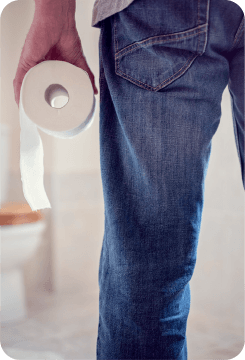
Haemorrhoids may be caused by too much straining on the toilet, due to prolonged constipation; this is often due to a lack of dietary fibre. Chronic, or long-term, diarrhoea can also make people more vulnerable to getting piles.
Other factors that may increase risk include:
Being overweight or obese
Getting older
Pregnancy
Family history of haemorrhoids
Regularly lifting heavy objects
A persistent cough or repeated vomiting
Sitting down for long periods of time

Symptoms include:
Bleeding after a bowel movement – the blood is usually bright red
An itchy bottom (anus)
A lump hanging down outside of the anus, which may need to be pushed back in after a bowel movement
Still feeling the need to go to the toilet after a bowel movement
Mucus discharge after a bowel movement
Soreness, redness and swelling around the anus

Content developed by Bayer working with CIG Healthcare Partnership.
© 2026 CIG Healthcare Partnership
Date of preparation: August 2026